
Avoiding Common Mistakes in Smart Home Integrations


Understanding the Basics of Smart Home Integration
Integrating smart home devices can transform your living space into a more convenient, efficient, and secure environment. However, without proper planning, it’s easy to make mistakes. Understanding the basics of smart home integration is crucial before diving into the more complex aspects.
One of the initial steps is assessing your current setup and determining which areas of your home you want to automate. This might include lighting, security, heating, or entertainment. Having a clear plan will guide your purchasing decisions and help avoid unnecessary expenses.

Choosing Compatible Devices
A common mistake in smart home integration is selecting devices that are not compatible with each other. Many homeowners find themselves stuck with gadgets that can't communicate, leading to frustration and additional costs.
Before purchasing any device, ensure it is compatible with your existing devices or the ecosystem you plan to build. Most manufacturers provide compatibility information, and many online resources can help you cross-check device compatibility.
Using a Central Hub
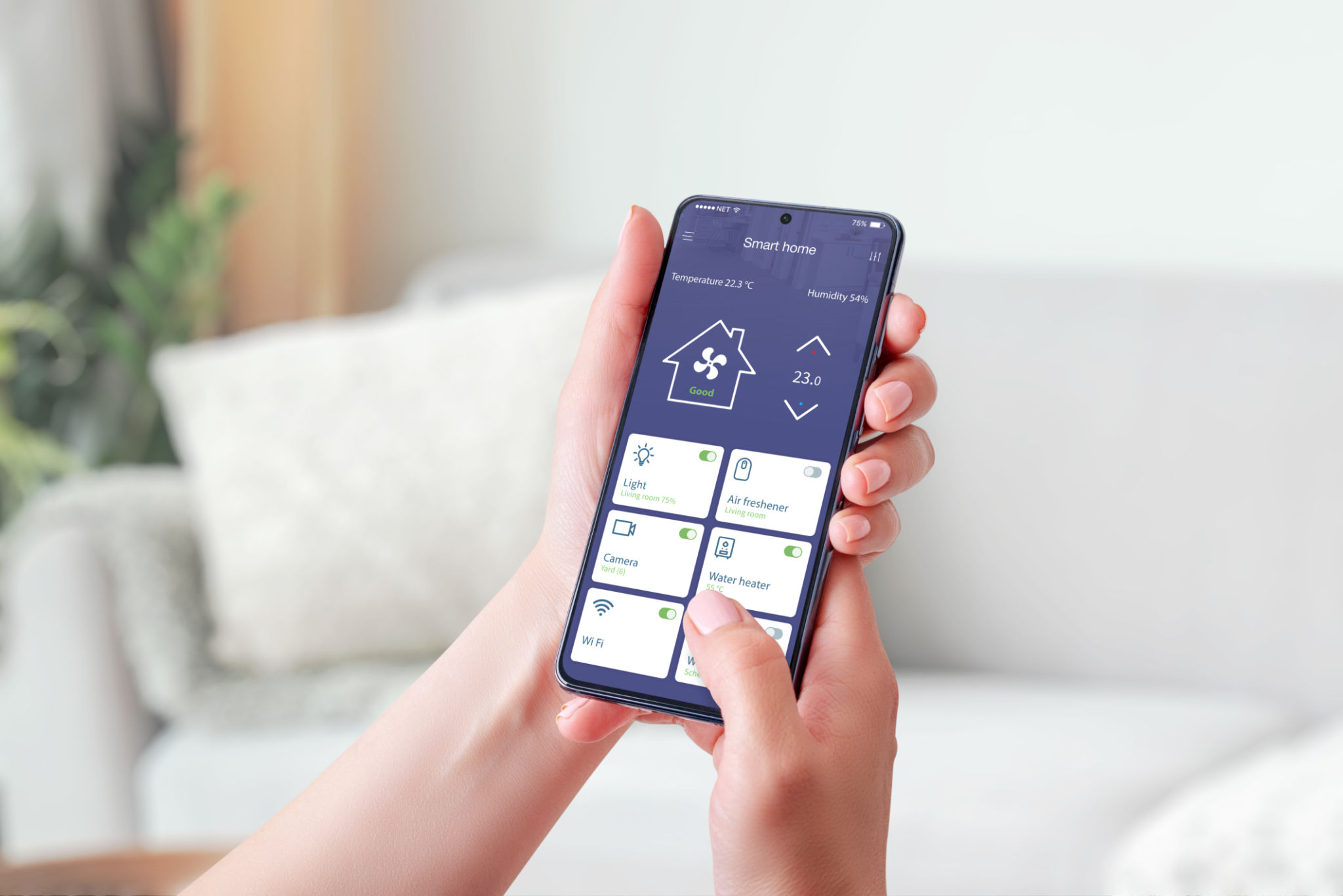
To manage multiple devices seamlessly, consider using a central hub. A hub acts as the brain of your smart home, coordinating different devices to work together. Whether it’s a smart speaker or a dedicated hub, this component can greatly enhance your smart home experience.
Securing Your Smart Home
Security is a crucial aspect of any smart home. With multiple devices connected to your network, each represents a potential entry point for cyber threats. Avoiding security mistakes is essential to protect your home and personal information.
Firstly, ensure all your devices are password-protected with strong, unique passwords. Regularly update device firmware to patch any vulnerabilities. Additionally, consider investing in network security solutions like a firewall or a VPN for added protection.
Network Considerations
Your smart home relies heavily on a stable and robust internet connection. An often-overlooked mistake is not ensuring your network can handle the additional load of smart devices. A weak or unstable connection can lead to performance issues.
- Upgrade your router if necessary.
- Use a mesh Wi-Fi system for larger homes.
- Position devices within range to ensure optimal connectivity.

Planning for Future Expansion
When setting up a smart home, it's not uncommon to focus only on immediate needs. However, planning for future expansion can save time and money down the line. Consider potential future additions and ensure your system is scalable.
Opt for devices and systems that support a wide range of products and standards. This foresight will make integrating new technologies easier as they become available.
Conclusion
Smart home integration can be a rewarding endeavor, enhancing convenience, efficiency, and security in your daily life. By avoiding common mistakes such as incompatible devices, poor security practices, and insufficient network planning, you can create a seamless and robust smart home system.
Remember, the key to successful integration lies in careful planning and informed decision-making. Keep these tips in mind as you embark on your smart home journey.